

Competencies
The critical competencies of an architect are the foundation of their profession. They include a Strategic Mindset, Technical Acumen, Domain Knowledge, and Leadership capabilities. These competencies are not just buzzwords; they are essential attributes that define an architect’s ability to navigate and shape the built environment effectively.
Growth Path
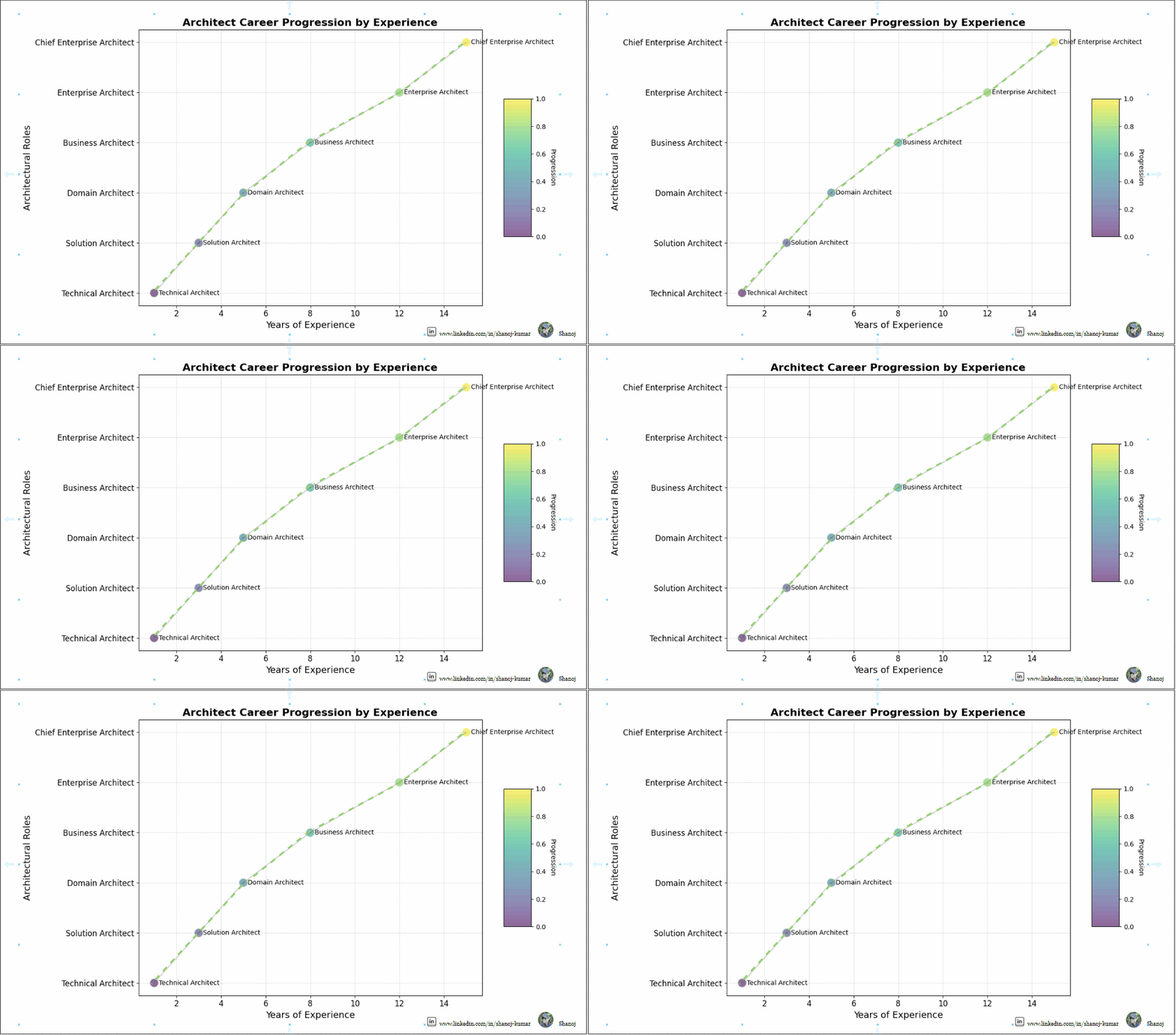
The growth journey of an architect involves evolving expertise, which begins with a technical foundation and gradually expands into domain-specific knowledge before culminating in strategic leadership. This journey progresses through various stages, starting from the role of a Technical Architect, advancing through Solution and Domain Architect, and evolving into a Business Architect. The journey then peaks with the positions of Enterprise Architect and Chief Enterprise Architect. Each stage in this progression requires a deeper understanding and broader vision, reflecting the multifaceted nature of architectural practice.
Qualities of a Software Architect
- Visual Thinking: Crucial for software architects, this involves the ability to conceptualize and visualize complex software systems and frameworks. It’s essential for effective communication and the realization of software architectural visions. By considering factors like system scalability, interoperability, and user experience, software architects craft visions that guide development teams and stakeholders, ensuring successful project outcomes.
- Foundation in Software Engineering: A robust foundation in software engineering principles is vital for designing and implementing effective software solutions. This includes understanding software development life cycles, agile methodologies, and continuous integration/continuous deployment (CI/CD) practices, enabling software architects to build efficient, scalable, and maintainable systems.
- Modelling Techniques: Mastery of software modelling techniques, such as Unified Modeling Language (UML) diagrams, entity-relationship diagrams (ERD), and domain-driven design (DDD), allows software architects to efficiently structure and communicate complex systems. These techniques facilitate the clear documentation and understanding of software architecture, promoting better team alignment and project execution.
- Infrastructure and Cloud Proficiency: Modern infrastructure, including cloud services (AWS, Azure, Google Cloud), containerization technologies (Docker, Kubernetes), and serverless architectures, is essential. This knowledge enables software architects to design systems that are scalable, resilient, and cost-effective, leveraging the latest in cloud computing and DevOps practices.
- Security Domain Expertise: A deep understanding of cybersecurity principles, including secure coding practices, encryption, authentication protocols, and compliance standards (e.g., GDPR, HIPAA), is critical. Software architects must ensure the security and privacy of the applications they design, protecting them from vulnerabilities and threats.
- Data Management and Analytics: Expertise in data architecture, including relational databases (RDBMS), NoSQL databases, data warehousing, big data technologies, and data streaming platforms, is crucial. Software architects need to design data strategies that support scalability, performance, and real-time analytics, ensuring that data is accessible, secure, and leveraged effectively for decision-making.
- Leadership and Vision: Beyond technical expertise, the ability to lead and inspire development teams is paramount. Software architects must possess strong leadership qualities, fostering a culture of innovation, collaboration, and continuous improvement. They play a key role in mentoring developers, guiding architectural decisions, and aligning technology strategies with business objectives.
- Critical and Strategic Thinking: Indispensable for navigating the complexities of software development, these skills enable software architects to address technical challenges, evaluate trade-offs, and make informed decisions that balance immediate needs with long-term goals.
- Adaptive and Big Thinking: The ability to adapt to rapidly changing technology landscapes and think broadly about solutions is essential. Software architects must maintain a holistic view of their projects, considering not only the technical aspects but also market trends, customer needs, and business strategy. This broad perspective allows them to identify innovative opportunities and drive technological advancement within their organizations.
As software architects advance through their careers, from Technical Architect to Chief Enterprise Architect, they cultivate these essential qualities and competencies. This professional growth enhances their ability to impact projects and organizations significantly, leading teams to deliver innovative, robust, and scalable software solutions.
Stackademic 🎓
Thank you for reading until the end. Before you go:
- Please consider clapping and following the writer! 👏
- Follow us X | LinkedIn | YouTube | Discord
- Visit our other platforms: In Plain English | CoFeed | Venture | Cubed
- More content at Stackademic.com
 Shanoj