Tag Archives: Dataengineering Future

Overcoming Limitations: Creating Custom Views in Trino Connectors (JDBC) without Native Support

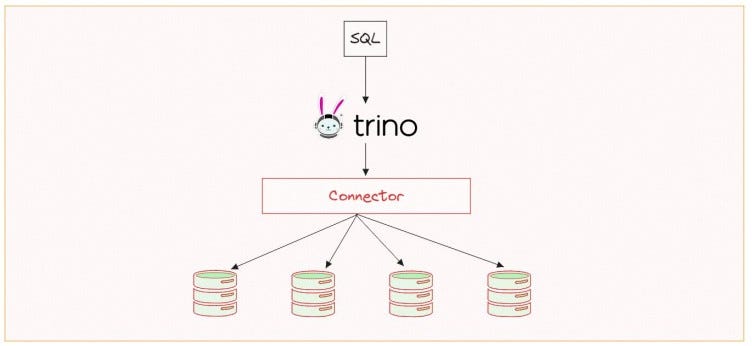
During a feasibility test using distributed SQL (Trino/Starburst) for handling large volume Adhoc SQL queries, a common challenge arose. Trino, an open-source distributed SQL query engine, supports various connectors for interacting with different data sources. However, we discovered that creating views/tables on Oracle-based connectors was not directly supported by Trino. In this article, we will explore a solution to overcome this limitation by leveraging a dummy connector to create custom views in Trino.

Solution Steps:

  • Create a Dummy Connector:

To enable the creation of custom views in Trino, we need to set up a dummy connector. This connector will serve as a catalog for storing the custom views and tables.

Create a new file named dummy.properties and add the following content:

connector.name=memory
  • Restart Trino:

Restart the Trino server to apply the configuration changes and make the dummy connector available.

  • Verify and Select the Catalog:

Check the available catalogs using the following command:

trino> show catalogs;
atalog
---------
dummy
jmx
memory
oracle
system
tpcds
tpch
(7 rows)
trino> use dummy.default;
USE
  • Create Custom Views:

Now that the dummy connector is set up and selected, we can create custom views using SQL statements. Let’s assume we want to create custom views based on tables from the oracle.hr schema. Note oracle is the connector for the Oracle database in this example.

-- Create custom view
CREATE VIEW cust_emp_v AS SELECT * FROM oracle.hr.emp;
CREATE VIEW cust_dept_v AS SELECT * FROM oracle.hr.dept;

This solution enables us to perform complex analytics and join data from multiple connectors seamlessly, creating tables/views in Trino. By sharing this article, I aim to assist others who may face similar challenges when working with Trino and Oracle databases.
The Rise of Analytical Engineering: Embracing a Data-Driven Future

I wanted to share my thoughts on an exciting trend that I believe is reshaping the data landscape: analytical engineering. As someone who has personally experienced this shift, I can confidently say that it holds immense potential and opens up thrilling opportunities.

Analytical engineering is at the forefront of the data analytics field, bridging the gap between traditional data engineering and advanced analytics. By combining the best of both worlds, it empowers organizations to uncover deeper insights and make informed, data-driven decisions.

What truly sets analytical engineering apart is its ability to connect data teams with business stakeholders. No longer confined to isolated data operations, analytical engineers actively participate in strategic discussions, contribute to shaping priorities, and align data initiatives with business objectives. This collaboration is a game-changer, driving tangible value and fueling business growth.

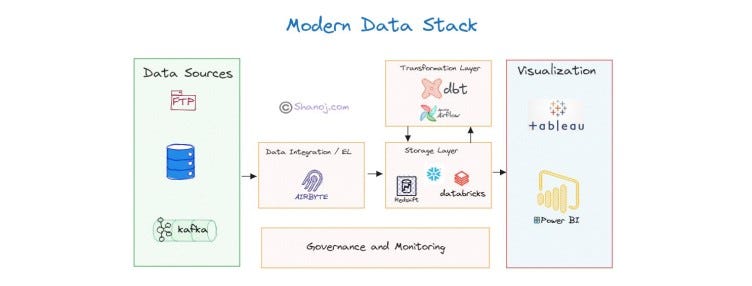
At the core of analytical engineering lies the power of SQL and data modelling. These skills enable analytical engineers to transform and analyze data, creating robust data models that generate accurate and actionable insights. By leveraging modern data stack tools like DBT, analytical engineers streamline the data pipeline, ensuring seamless data ingestion, transformation, and scheduling.

Another critical aspect of analytical engineering is the empowerment of self-service analytics. By providing intuitive tools and platforms, analytical engineers enable business users to explore and analyze data independently. This democratization of data fosters a culture of data-driven decision-making, empowering individuals at all levels to unlock valuable insights without relying solely on technical teams.

The demand for analytical engineering skills is skyrocketing as businesses increasingly recognize the competitive advantage of advanced analytics. Roles like analytics engineer offer professionals a unique opportunity to leverage their technical expertise while driving impactful business outcomes. It’s an exciting time to be part of this field, with competitive salaries and ample room for career growth.

As an Enterprise Solution Architect, I have personally witnessed the transformative power of analytical engineering. It is an exciting career path that merges technical excellence with business acumen, enabling professionals to shape priorities, drive innovation, and significantly impact organizational success. While analytical engineering takes the spotlight, it is important to acknowledge the continued importance of data engineering, as the two disciplines complement each other.

Stackademic

Thank you for reading until the end. Before you go:

  • Please consider clapping and following the writer! 👏
  • Follow us on Twitter(X), LinkedIn, and YouTube.
  • Visit Stackademic.com to find out more about how we are democratizing free programming education around the world.