
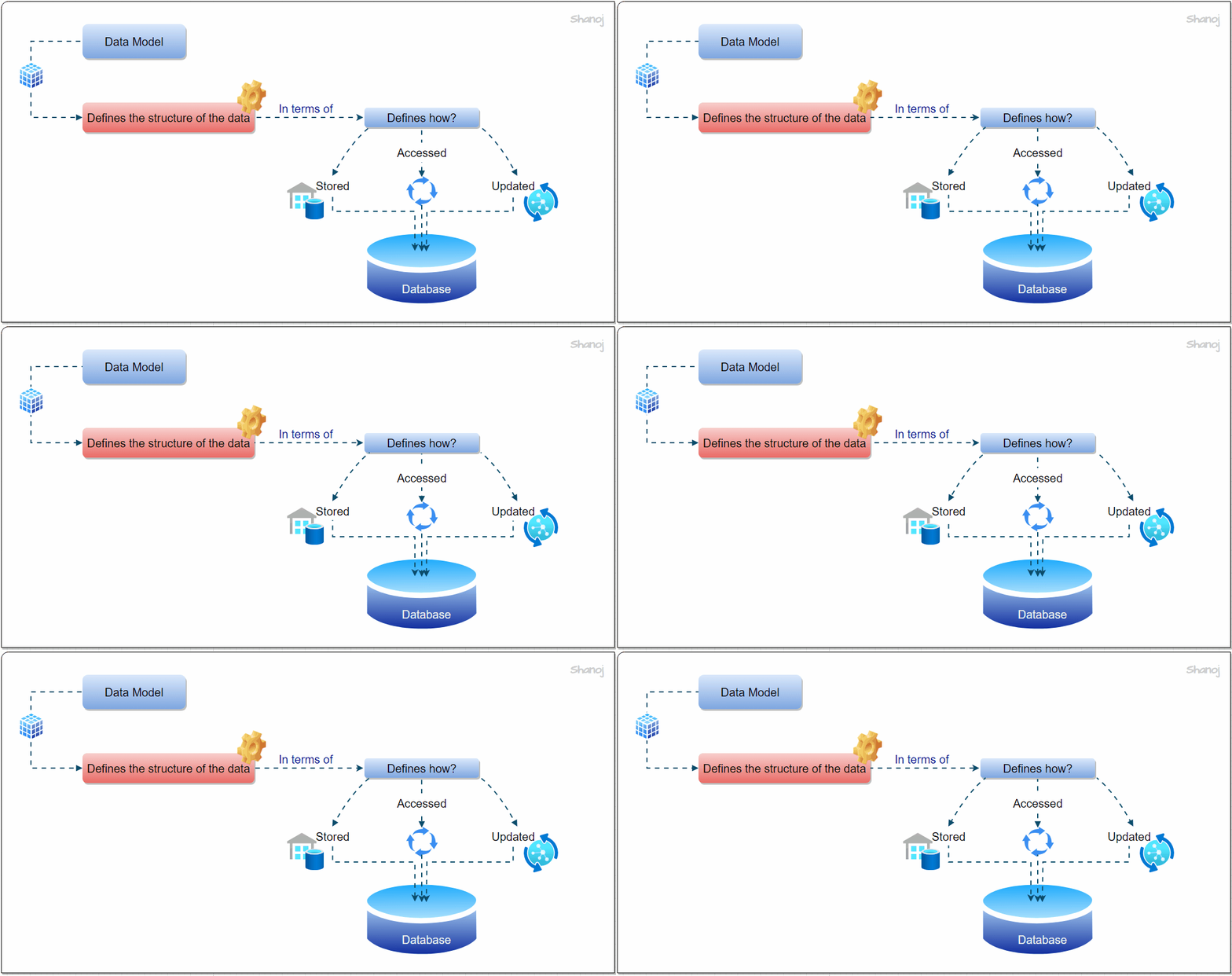
What is Data Modeling?
Data modeling is the foundational process of creating a structured representation of data stored in a database. This representation, a data model, serves as a conceptual blueprint for data objects, their relationships, and the governing rules that ensure data integrity and consistency. Data modeling helps us define how data is organized, connected, and utilized within a database or data management system.
Common Data Modeling Approaches:
Normalized Modeling:

The normalized modeling approach, popularized by Bill Inmon, is focused on maintaining data integrity by eliminating redundancy. It involves creating a data warehouse that closely mirrors the structure of the source systems. While this approach ensures a single source of truth, it can lead to complex join operations and may not be ideal for modern column-based data warehouses.
Denormalized Modeling (Dimensional Modeling):

Ralph Kimball’s denormalized modeling, dimensional modeling, emphasizes simplicity and efficiency. It utilizes a star schema structure, which reduces the need for complex joins. Denormalized modeling is designed around business functions, making it well-suited for analytical reporting. It strikes a balance between data redundancy and query performance.
Data Vault Modeling:
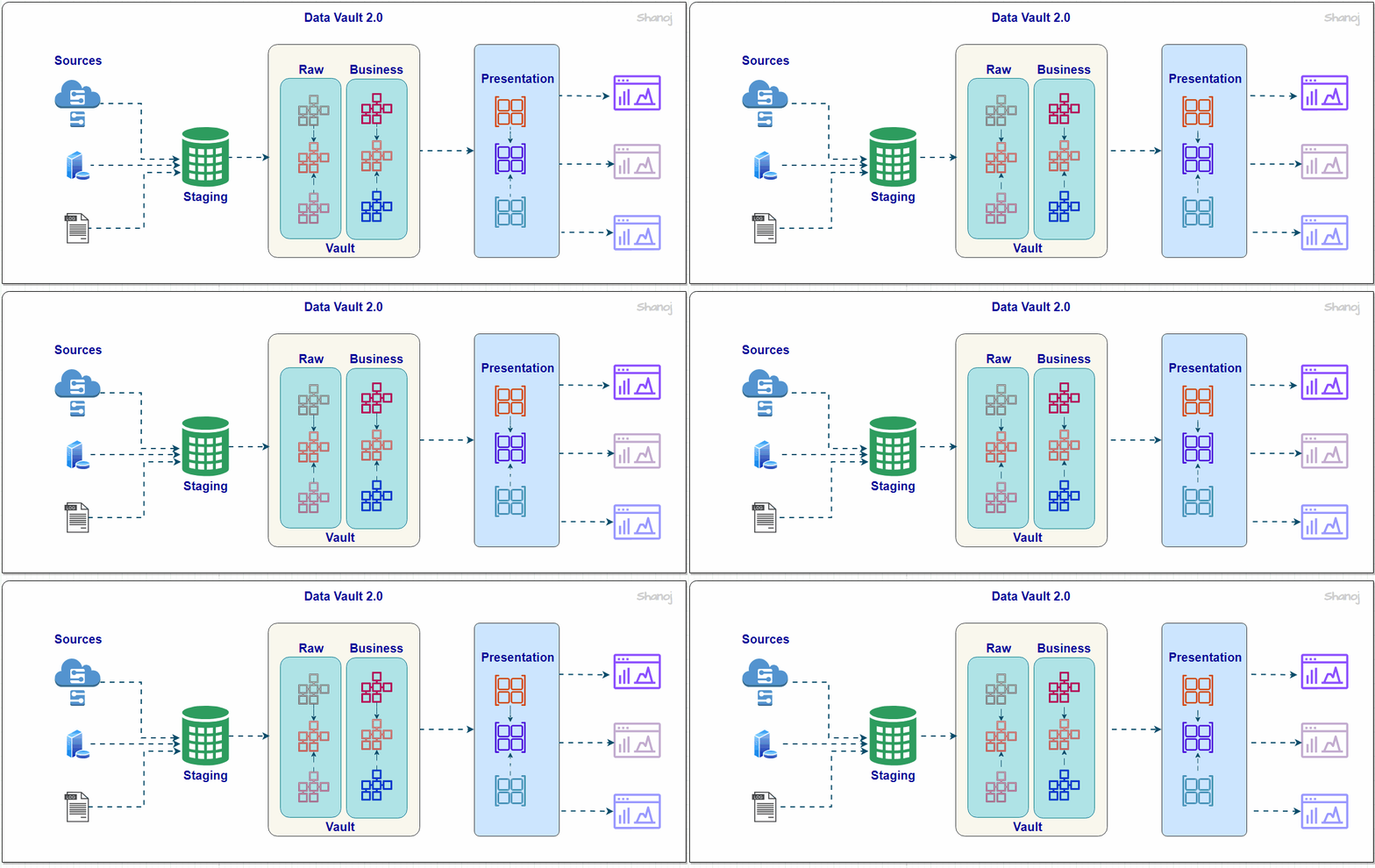
The Data Vault modeling approach is complex and organized, dividing data into hubs, links, and satellites. It focuses on preserving raw data without compromising future transformations. While it is excellent for data storage and organization, a presentation layer is often required for analytical reporting, making it a comprehensive but intricate approach.
One Big Table (OBT) Modeling:
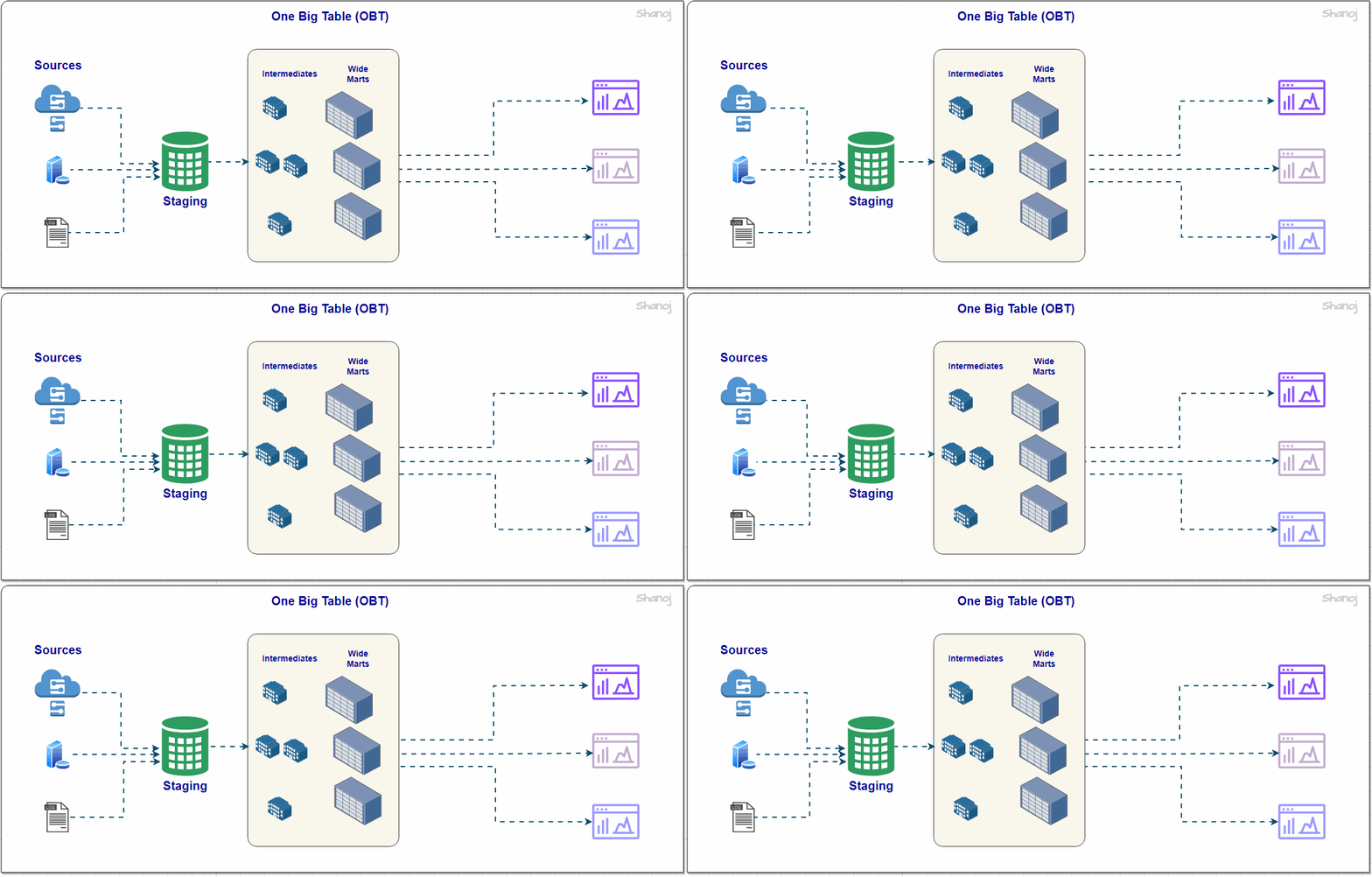
The OBT modeling approach takes advantage of modern storage and computational capabilities. It involves creating wide denormalized tables, minimizing the need for intermediate transformations. While this approach simplifies data modeling, it can increase computational costs and data redundancy, particularly as the organization scales.
Why is Data Modeling Important?
Now that we understand what data modeling entails, let’s explore why it holds such significance in data management and analytics.
Visual Representation and Rule Enforcement:
Data modeling provides a visual representation of data structures, making it easier for data professionals to understand and work with complex datasets. It also plays a crucial role in enforcing business rules, regulatory compliance, and government policies governing data usage. By translating these rules into the data model, organizations ensure that data is handled according to legal and operational standards.
Consistency and Quality Assurance:
Data models serve as a framework for maintaining consistency across various aspects of data management, such as naming conventions, default values, semantics, and security measures. This consistency is essential to ensure data quality and accuracy. A well-designed data model acts as a guardian, preventing inconsistencies and errors arising from ad-hoc data handling.
Facilitating Data Integration:
Organizations often deal with data from multiple sources in today’s data-rich landscape. Data modeling is pivotal in designing structures that enable seamless data integration. Whether you’re working with Power BI, other data visualization tools, or databases, data modeling ensures that data from different entities can be effectively combined and analyzed.
Things to Consider:
Organizational and Mental Clarity:
Regardless of the chosen data modeling approach, organizational clarity and mental clarity should remain paramount. A structured data modeling strategy provides a foundation for managing diverse data sources effectively and maintaining consistency throughout the data pipeline.
Embracing New Technologies:
Modern data technologies offer advanced storage and processing capabilities. Organizations should consider hybrid approaches that combine the best features of different data modeling methods to leverage the benefits of both simplicity and efficiency.
Supporting Data Consumers:
Data modeling should not cater solely to individual users or reporting tools. Consider a robust data mart layer to support various data consumption scenarios, ensuring that data remains accessible and usable by various stakeholders.
🌟 Enjoying my content? 🙏 Follow me here: Shanoj Kumar V
Stackademic
Thank you for reading until the end. Before you go:
- Please consider clapping and following the writer! 👏
- Follow us on Twitter(X), LinkedIn, and YouTube.
- Visit Stackademic.com to find out more about how we are democratizing free programming education around the world.
 Shanoj