
To build an effective notification system, it’s essential to understand the components and flow of each notification service.
iOS Push Notifications with AWS
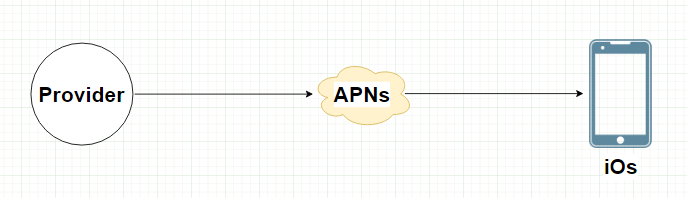
- Provider: Host your backend on Amazon EC2 instances.
- APNS Integration: Use Amazon SNS (Simple Notification Service) to interface with APNS.
Android Push Notifications with AWS
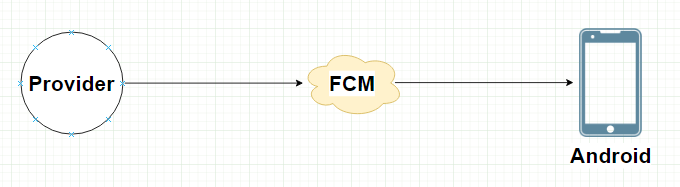
- Provider: Deploy your backend on AWS Elastic Beanstalk or Lambda.
- FCM Integration: Connect your backend to FCM through HTTP requests.
SMS Messages with AWS
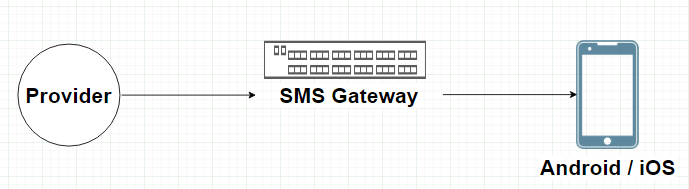
- Provider: Integrate your system with AWS Lambda.
- SMS Gateway: AWS Pinpoint can be used as an SMS gateway for delivery.
Email Notifications with AWS
- Provider: Leverage Amazon SES for sending emails.
- Email Service: Utilize Amazon SES’s built-in email templates.
System Components
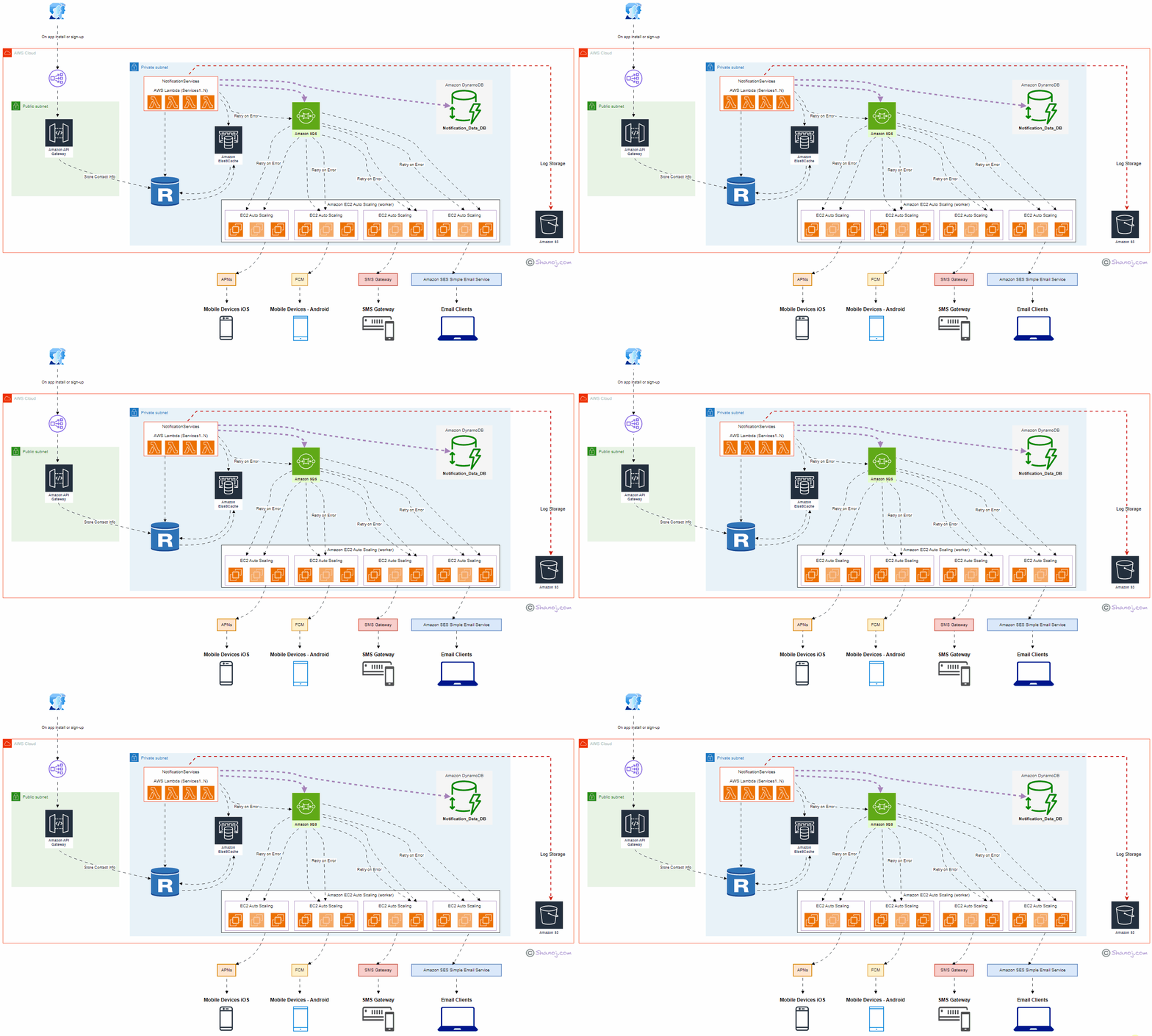
User: Represents end-users interacting with the system through mobile applications or email clients. User onboarding takes place during app installation or new signups.
ELB (Public): Amazon Elastic Load Balancer (ELB) serves as the entry point to the system, distributing incoming requests to the appropriate components. It ensures high availability and scalability.
API Gateway: Amazon API Gateway manages and exposes APIs to the external world. It securely handles API requests and forwards them to the Notification Service.
NotificationService (AWS Lambda — Services1..N): Implemented using AWS Lambda, this central component processes incoming notifications, orchestrates the delivery flow and communicates with other services. It’s designed to scale automatically with demand.
Amazon DynamoDB: DynamoDB stores notification content data in JSON format. This helps prevent data loss and enables efficient querying and retrieval of notification history.
Amazon RDS: Amazon Relational Database Service (RDS) stores contact information securely. It’s used to manage user data, enhancing the personalized delivery of notifications.
Amazon ElastiCache: Amazon ElastiCache provides an in-memory caching layer, improving system responsiveness by storing frequently accessed notifications.
Amazon SQS: Amazon Simple Queue Service (SQS) manages notification queues, including iOS, Android, SMS, and email. It ensures efficient distribution and processing.
Worker Servers (Amazon EC2 Auto Scaling): Auto-scaling Amazon EC2 instances act as workers responsible for processing notifications, handling retries, and interacting with third-party services.
Third-Party Services: These services, such as APNs, FCM, SMS Gateways, and Amazon SES (Simple Email Service), deliver notifications to end-user devices or email clients.
S3 (Amazon Simple Storage Service): Amazon S3 is used for storing system logs, facilitating auditing, monitoring, and debugging.
Design Considerations:
Scalability: The system is designed to scale horizontally and vertically to accommodate increasing user loads and notification volumes. AWS Lambda, EC2 Auto Scaling, and API Gateway handle dynamic scaling efficiently.
Data Persistence: Critical data, including contact information and notification content, is stored persistently in Amazon RDS and DynamoDB to prevent data loss.
High Availability: Multiple availability zones and fault-tolerant architecture enhance system availability and fault tolerance. ELB and Auto Scaling further contribute to high availability.
Redundancy: Redundancy in components and services ensures continuous operation even during failures. For example, multiple Worker Servers and Third-Party Services guarantee reliable notification delivery.
Security: AWS Identity and Access Management (IAM) and encryption mechanisms are employed to ensure data security and access control.
Performance: ElastiCache and caching mechanisms optimize system performance, reducing latency and enhancing user experience.
Cost Optimization: The pay-as-you-go model of AWS allows cost optimization by scaling resources based on actual usage, reducing infrastructure costs during idle periods.
Stackademic
Thank you for reading until the end. Before you go:
- Please consider clapping and following the writer! 👏
- Follow us on Twitter(X), LinkedIn, and YouTube.
- Visit Stackademic.com to find out more about how we are democratizing free programming education around the world.
 Shanoj